
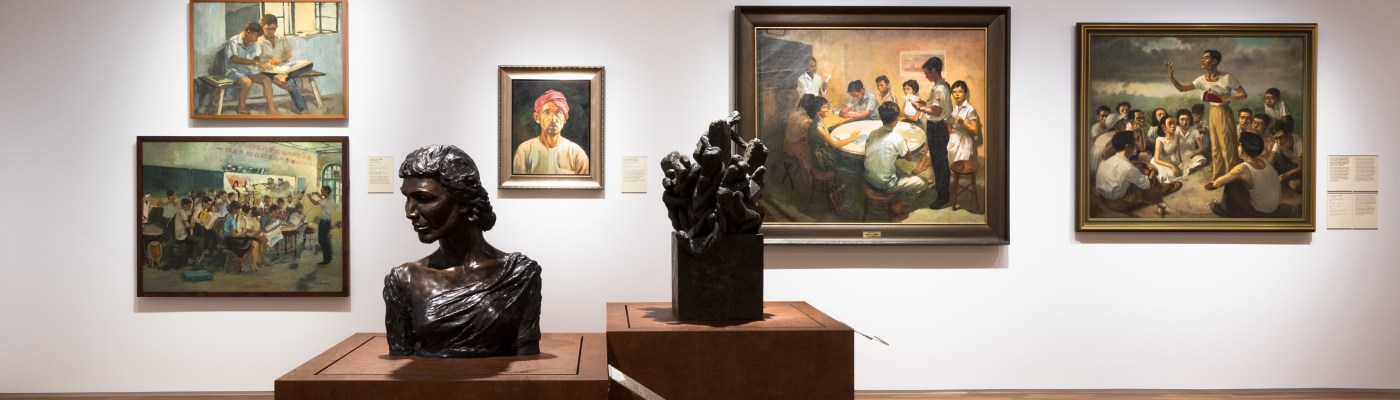
Coming up on December 2nd, 2024, the National Gallery Singapore is set to unveil the first part of its groundbreaking long-term exhibition, Singapore Stories: Pathways and Detours in Art, in the stunningly revamped DBS Singapore Gallery. This is more than just an exhibition; it’s an invitation to embark on a captivating journey through the heart of Singapore’s evolving narrative. Here, masterpieces and awe-inspiring new artworks from the National Collection will share the spotlight with priceless loans from private and institutional collections.

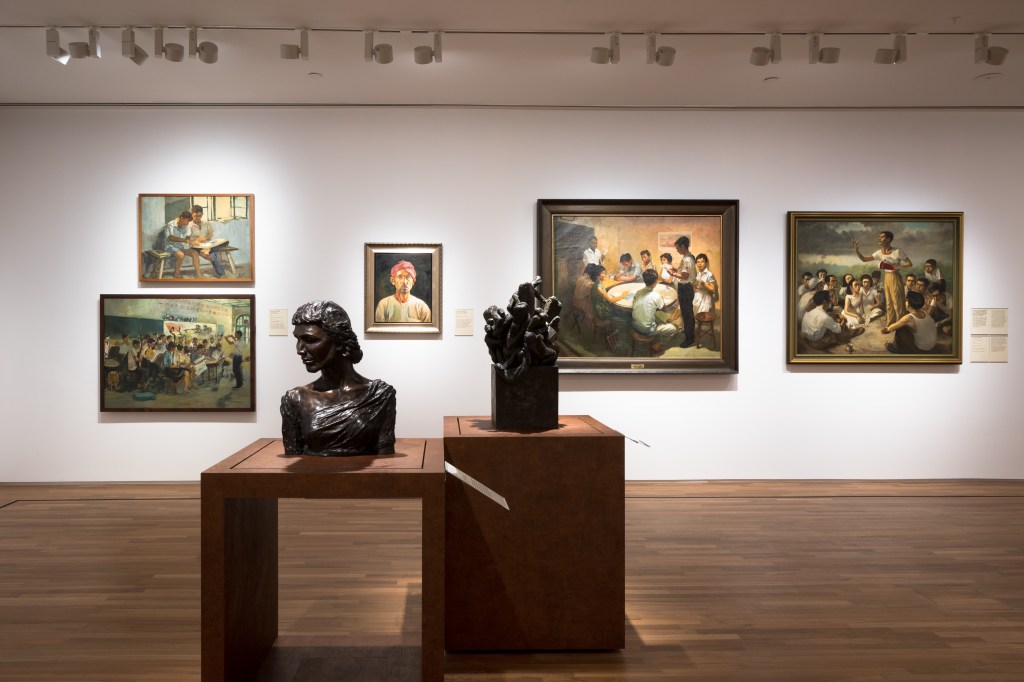
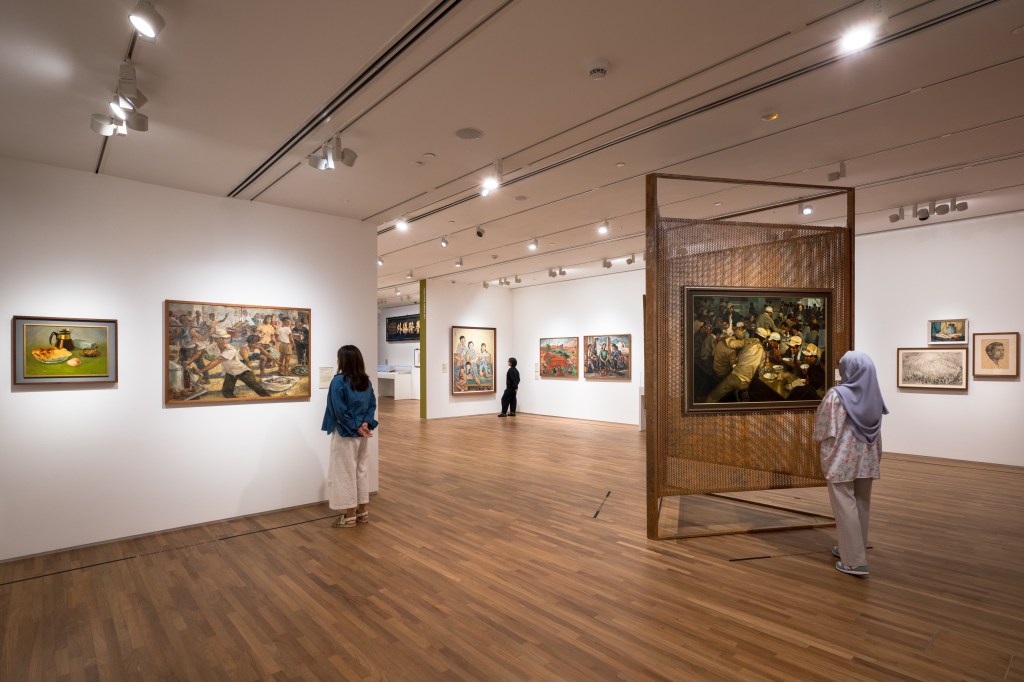
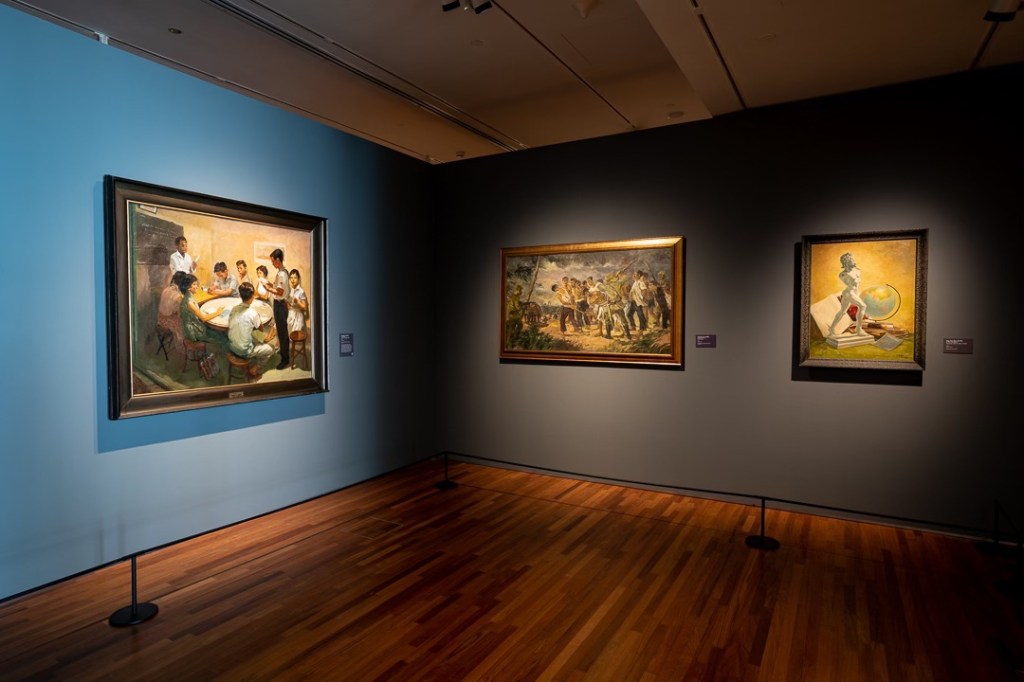
This exhilarating exhibition delves deep into Singapore’s myriad stories, showcasing how artists have passionately harnessed their craft to reflect and respond to the sweeping societal changes that have shaped our world. With over 200 spectacular artworks and artefacts spread across four dynamic sections, the exhibition confronts monumental themes such as colonialism, urban transformation, and globalisation. It celebrates the fearless spirit of artists who continuously experiment with diverse mediums and expressions, highlighting the vibrant evolution of Singaporean art.
As artists intertwine familiar narratives with innovative viewpoints, they challenge visitors to rethink their perceptions of art, breathing fresh life into the powerful stories that these remarkable works convey. Prepare to be inspired, to dream, and to see art in a whole new light, as Singapore Stories promises to reignite the public’s imagination and invite all into a shared dialogue about our past, present, and future through the lens of creativity.
Dr. Eugene Tan, Chief Executive Officer and Director of National Gallery Singapore says, “The Gallery reaches a significant milestone with its 10th anniversary in 2025. This date also marks a decade since we launched Siapa Nama Kamu? Art in Singapore since the 19th Century, which introduced Singapore’s modern and contemporary art to both local and international audiences. Our new exhibition, Singapore Stories: Pathways and Detours in Art, builds on this foundation to expand the narrative and deepen public appreciation of Singapore’s art, artists, and artistic heritage. This preview offers a glimpse of our upcoming long-term exhibition, which will expand to fill the entire second level of the Gallery’s City Hall Wing in July 2025 – just in time for Singapore’s 60th birthday celebrations.”
Ms Karen Ngui, Head, DBS Foundation and DBS Group Strategic Marketing and Communications, says, “DBS has been a key part of Singapore’s story since 1968, when it was established as the Development Bank of Singapore to fund the nation’s development, and this sense of purpose continues to make us who we are today. We’re thankful for avenues like the DBS Singapore Gallery that preserve these meaningful chapters of Singapore’s journey, and are proud to support its mission to bring local art history to more in the community and pay homage to the artists who have shaped it over the years.”
The first part of Singapore Stories immerses us in the vibrant tapestry of Singapore’s art history, spanning from the 19th century to the 1960s. It boldly traces pivotal historical moments such as colonialism, the emblematic journey to independence, and the whirlwind of urban development. This section is a jubilant tribute to the key artists who, with their boundless spirit of innovation and experimentation, embarked on a profound search for identity during these transformative years.
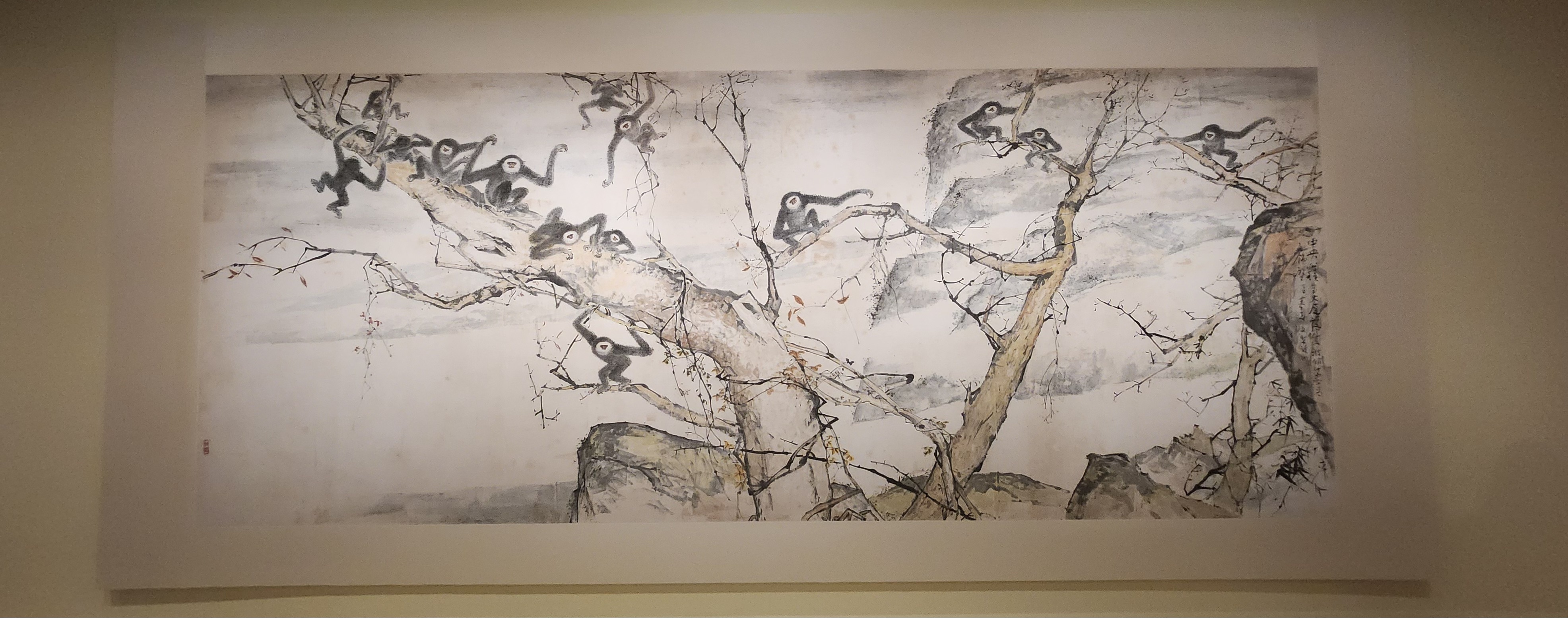
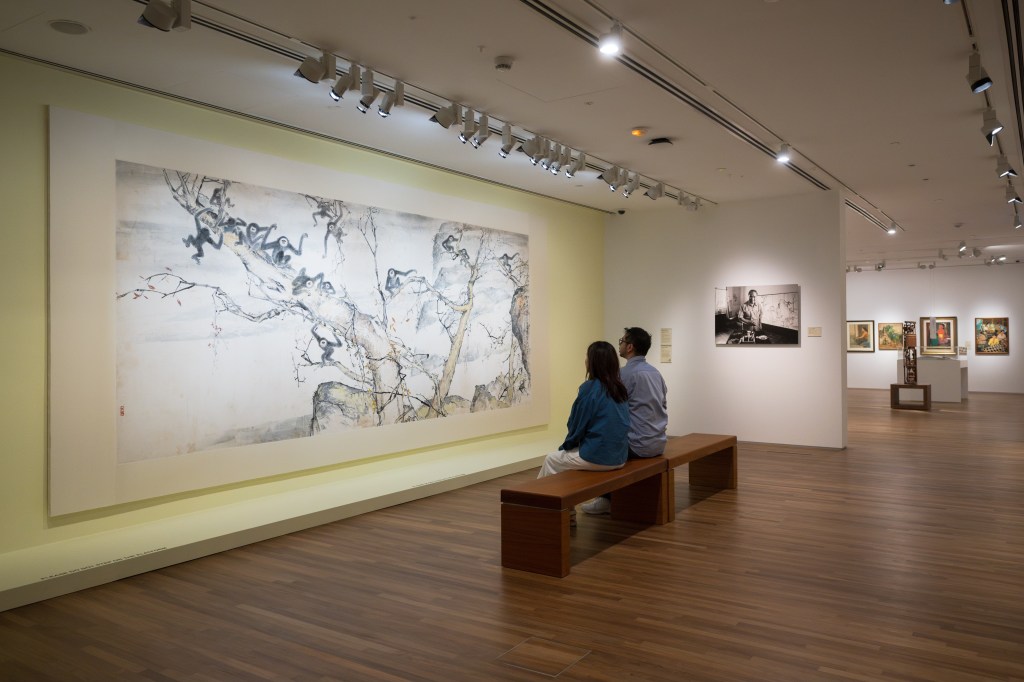
Chen Wen Hsi. Gibbons, 1977. Ink and colour on paper, 190 x 488 cm. Conservation of this artwork was generously funded by the Bank of America Art Conservation Project. Collection of National Gallery Singapore. Image courtesy of National Heritage Board, Singapore.
Among the luminaries celebrated are the likes of Chen Wen Hsi, Georgette Chen, Cheong Soo Pieng, Dora Gordine, Liu Kang, Annaratnam Gunaratnam, S. Mahdar, P. Ramlee, and many more. Dr. Seng Yu Jin, the passionate Project Director of Singapore Stories: Pathways and Detours in Art, expresses it beautifully: “This exhibition expands the narrative beyond merely displaying artworks. It delves into significant themes like class and labour—issues that resonated deeply with these visionary artists. My dedicated team and I have sought to weave new pathways into visual culture, going beyond the realms of painting and sculpture to embrace diverse disciplines such as graphic design, film, and literature. By clustering multiple works by individual artists, we accentuate lesser-known talents while allowing familiar names to be rediscovered with fresh eyes. For instance, we illuminate the remarkable versatility of Chen Wen Hsi, showcasing his breathtaking range in both representational and abstract styles through his captivating oil and ink masterpieces, including Gibbons and Oasis.”
Join us as we navigate the pathways and detours of Singapore’s art, revealing the soul of a city through its creative lens!
The exhibition unfolds with an enchanting journey through four distinct sections, beginning with the spirited Market of the Tropics. This captivating section captures the essence of 19th-century Singapore, depicting it as a flourishing hub of trade and cultural exchange. Vivid portrayals in prints, paintings, and photographs illuminate Singapore’s colonial-era potential as a bustling trading port while showcasing its rich cultural diversity and the idyllic image of a serene fishing village, beckoning to tourists. Visitors will be entranced by rare posters that celebrate the industrious railways threading through the region, enticing travelers and showcasing commercial treasures like tinned pineapples.
In the second section, Community and Self, local artists in Singapore ignite a creative revolution, fearlessly embracing innovation and stylistic experimentation to weave together myriad stories of individuals and communities. A standout feature of this part is a vibrant celebration of moving images, showcasing the dynamic local film industry. Visitors can sink into refurbished cinema seats and lose themselves in delightful excerpts from P. Ramlee’s cherished films, including the endearing Pendekar Bujang Lapok (1959). These films, with their light-hearted charm, not only entertain but also artfully navigate profound themes of class dynamics and the exhilarating clash between tradition and modernity, creating a captivating blend of escapism laced with subtle social commentary on urbanisation, poverty, and relationships.
The heart of the exhibition, Imagining Nation, invites visitors to engage deeply with the essence of Singaporean art. It spotlights works that delve into themes of belonging and identity amidst the backdrop of rapid societal transformations in the 1950s and 1960s. Art blossomed as a powerful medium, negotiating both personal and collective identities while capturing the everyday lives of those who called Singapore home. A brilliant example is the iconic Self-Portrait (1946) by Georgette Chen, which embodies her profound personal journey and the unwavering determination that propelled her significant contributions to the art scene in Singapore. Other monumental pieces, such as Liu Kang’s Working at the Brick Factory (1954) and Chua Mia Tee’s Workers in a Canteen (1974), illuminate the often-overlooked lives of laborers, drawing us into the narratives of those who sculpted modern Singapore.
In Seeking Connections, the final section, we embark on a journey that celebrates the ways in which both physical travel beyond Singapore and exposure to diverse aesthetic influences have enriched the artistic landscape. At the center of Singapore Stories stands the magnificent Gibbons (1977) by Chen Wen Hsi, an extraordinary work measuring an impressive five meters in length. This striking piece serves as a testament to the influences that have shaped the artistic journey. The meticulous 15-month conservation process at the Heritage Conservation Centre, generously supported by the Bank of America Art Conservation Project, speaks to the dedication and passion surrounding this artwork. Chen Wen Hsi’s relentless spirit of innovation, creativity, and the quest for artistic identity brilliantly reflects the drive of many Singaporean artists from the 1950s to the 1970s. His evolving style is further illustrated in Oasis (1972), a playful exploration of form, color, and vibrancy that beckons viewers into a world of abstract delight.
The narrative of abstraction, and how artists courageously navigated representation and form, will flourish further with the grand opening of Singapore Stories. Upcoming sections will trace the diverse and exhilarating pathways that artists embraced as they charted their innovative creative journeys.
If you’re planning a visit to the enchanting DBS Galleries at The National Gallery Singapore, be sure to mark your calendars for the exciting opening dates.
DBS Singapore Gallery 1 : Opening on 2 December 2024
DBS Singapore Gallery 2 : Closed from 2 December 2024, to re-open in July 2025
DBS Singapore Gallery 3 : Closed from 19 August 2024, to re-open in July 2025
 水の家
水の家 