
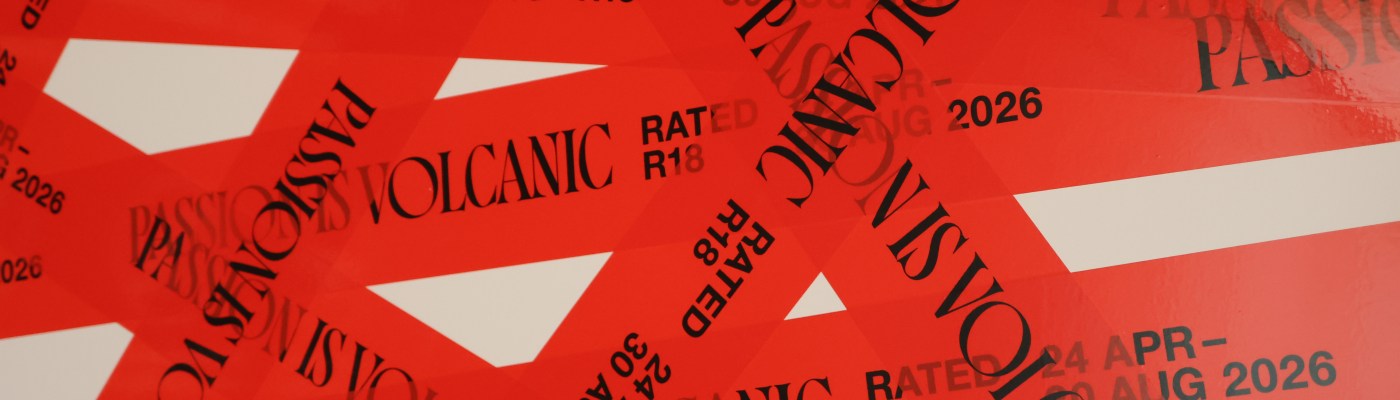
National Gallery Singapore is pleased to announce the exhibition “Passion is Volcanic: Desire in Southeast Asian Art (R18),” which examines the themes of desire, the body, and sexuality as compelling influences on artistic expression throughout the region.
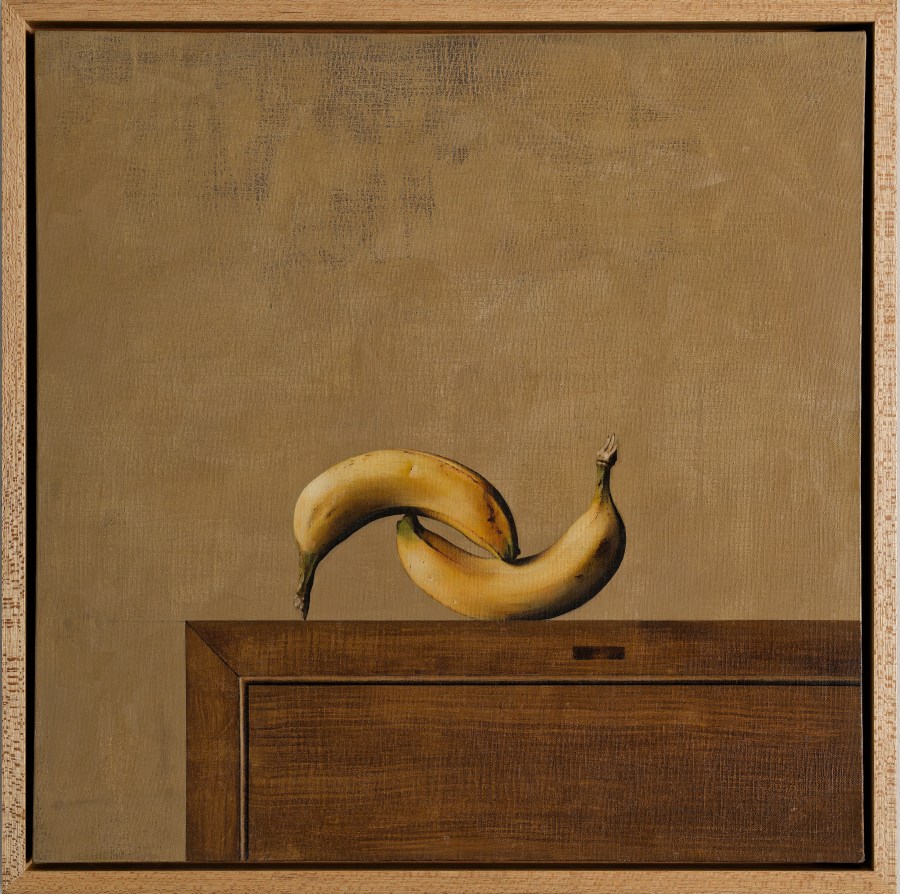
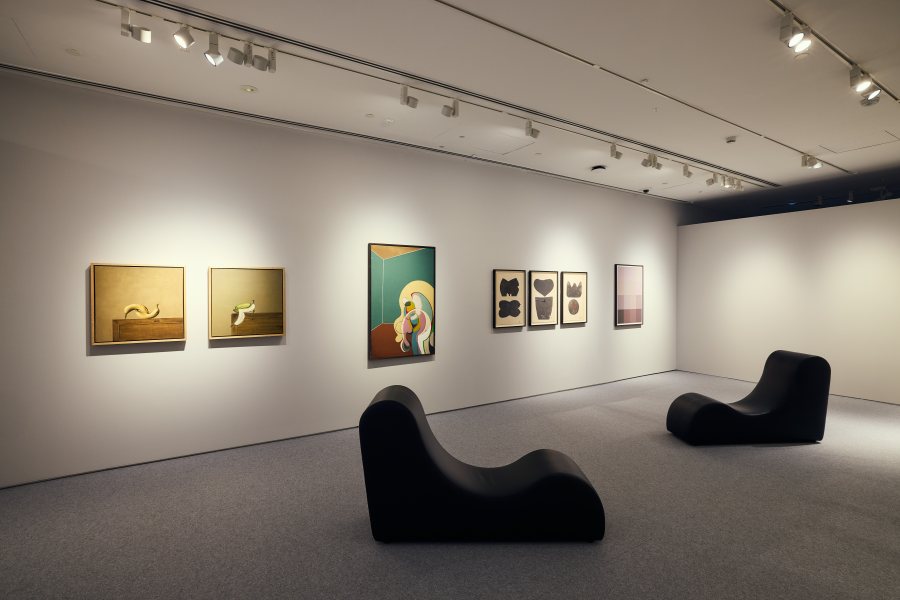
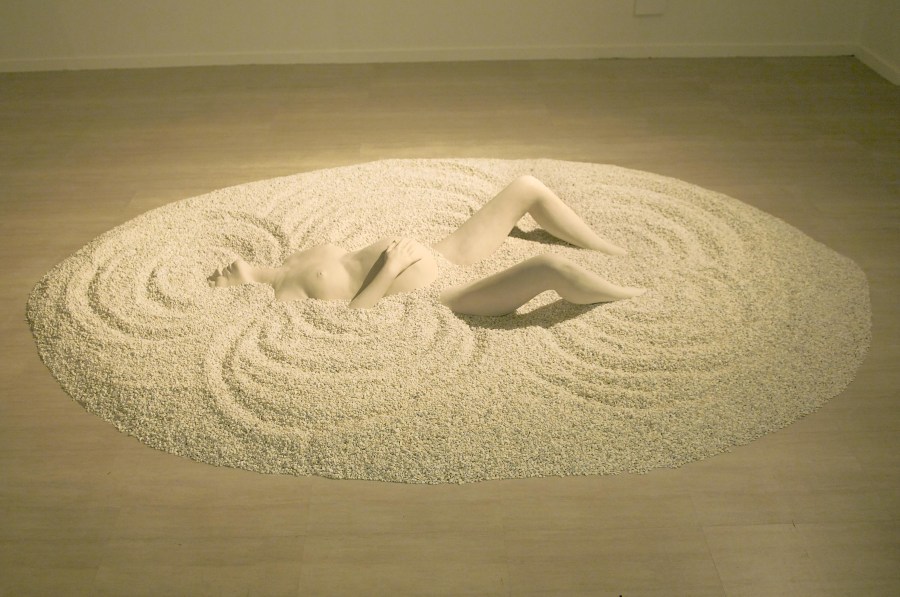
This exhibition assembles over 70 works ranging from the pre-modern to the contemporary, inclusive of regional loans. It spans various periods and contexts, providing a novel perspective on Southeast Asian art by illustrating how pre-modern cultural narratives persist in influencing contemporary artistic practices and how artists engage with themes of identity, intimacy, and the human condition. As a prominent visual arts institution in Southeast Asia, the National Gallery Singapore continues to broaden the scope of meaningful engagement for museums. This exhibition underscores the Gallery’s commitment to presenting rigorous and thought-provoking programs that invite audiences to experience art in ways that are both intellectually substantive and profoundly human.
Reframing desire in Southeast Asian art The exhibition titled “Passion is Volcanic” derives its inspiration from the 1953 essay “Trip to Bali” by Nanyang artist Liu Kang, wherein he posited that erotic expressions of desire can serve as catalysts for inquiry and transformation. Building upon this concept, the exhibition examines the erotic as a lived and emotive experience that influences our cognition, knowledge, and interpersonal relations. By assembling both canonical and lesser-known works, the exhibition endeavors to re-evaluate the representations of desire and the body throughout Southeast Asian art, thereby illuminating not only the continuities and transformations over time, but also alternative viewpoints that question prevailing narratives within art history.
Passion is described as a volcanic force that positions desire as an essential element influencing our thoughts, creativity, and responses to the world. Encompassing references from pre-modern times to contemporary practices, the exhibition elucidates how desire informs artistic expression throughout history, thereby shaping concepts of identity, intimacy, and the human condition.
Dr. Patrick Flores, Chief Curator and Project Director of the exhibition, asserts, “Art and desire have always been intertwined; however, discussions regarding pleasure and the body continue to be shielded within the public sphere of the region. Passion is Volcanic: Desire in Southeast Asian Art engages with these themes in a thoughtful and profound manner, illustrating how intricate subjects can be approached with intellectual rigor and curatorial diligence. This exhibition encourages a reevaluation of simplistic notions of the erotic, emphasizing that desire is not static, but rather shaped by cultural, historical, and power dynamics. It fosters a more nuanced comprehension of Southeast Asian art, centering lived, embodied experiences as an essential force within artistic practice.” Spanning painting, sculptural installation, photography, and video, the exhibition unites a diverse array of artists and practices, examined through the lens of the erotic, with particular focus on prominent figures and movements. It invites visitors to contemplate how portrayals of the body and desire not only influence artistic endeavors but also inform our understanding of identity, intimacy, and the environments we occupy.
Tracing how artists have portrayed the human body through shifting ideas of desire
Organized into three distinct sections – Asian Mythos and Ritual, Conventions of the Erotic, and Public Arenas/Private Interiors – the exhibition meticulously examines the various ways in which desire has been articulated, challenged, and reinterpreted across diverse cultural and historical contexts.
The exhibition commences with “Asian Mythos and Ritual,” examining the longstanding presence of the erotic within spiritual and cosmological narratives, where desire intertwines with power, transformation, and the divine. The artworks featured in this section encourage visitors to perceive the body as a conduit between the human and the sacred, where emotion, nature, and spiritual concepts coalesce.
The subsequent section, Conventions of the Erotic, critically examines how artists have reinterpreted the human body and its representation, thereby challenging traditional norms and redefining the aesthetics of desire within the context of postcolonial Southeast Asia. The works of artists such as Liu Kang, Nhek Dim, Bagi Aung Soe, and Basoeki Abdullah illustrate the utilization of the nude as a symbol of liberation and modernity. Moreover, artists like Alfonso Ossorio, Sharifah Fatimah, and Lim Chong Keat transcended academic realism, delving into novel expressive and symbolic forms pertinent to postcolonial contexts.
The exhibition’s concluding section, Public Arenas/Private Interiors, rigorously examines how artists engage with sexuality, identity, and social norms, effectively incorporating intimate and frequently marginalized experiences into public discourse. Situated within the rapidly evolving social and cultural contexts of the late 20th century, artists commenced reimagining desire in response to changing moral boundaries, the ascendance of mass media, and the ramifications of globalization. In these works, the intimate and the public converge; explicit imagery serves as a vehicle of critique, while feminist practices assert agency and contest the objectification of the body. This section further accentuates the emergence of diverse voices in Singapore’s art history, illustrating how contemporary practices have broadened the representations of the body across various media, including painting, installation, performance, and photography.
Together, these sections elucidate how artists throughout Southeast Asia, including those featured in regional collections, have engaged with themes of desire not merely as subject matter but also as a means to scrutinize societal norms, articulate diverse perspectives, and envision alternative modes of existence.
Passion is Volcanic: Desire in Southeast Asian Art at the National Gallery Singapore
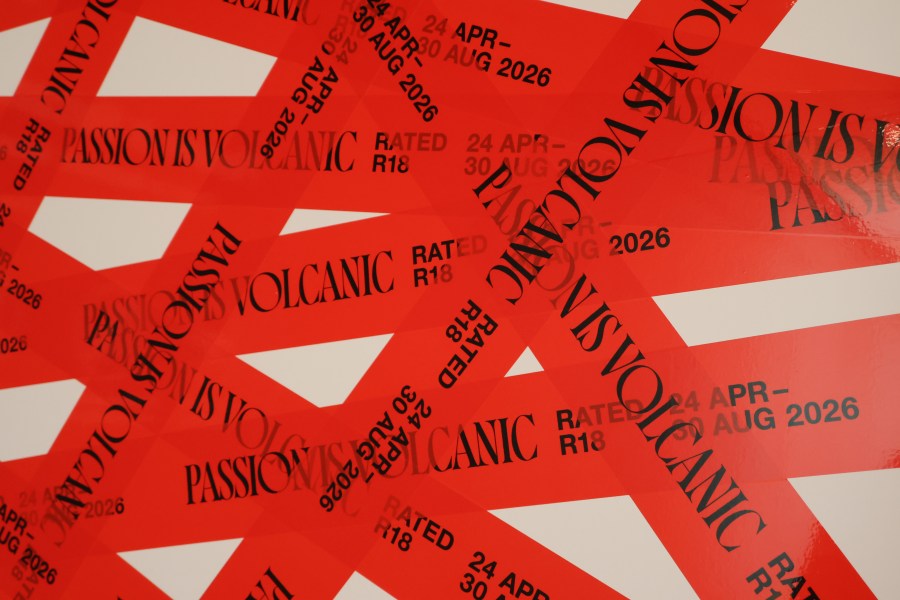
The exhibition entitled “Passion is Volcanic: Desire in Southeast Asian Art” (R18) is currently on display in the Level 4 Gallery of the National Gallery Singapore and will conclude on 30th August 2026. This exhibition is classified as R18 and is exclusively intended for individuals aged 18 and above; valid identification will be required for admission. “Passion is Volcanic: Desire in Southeast Asian Art” is a ticketed exhibition, with ticket prices set at $5 for Singapore Citizens and Permanent Residents, and $8 for individuals of other nationalities. For additional information, please consult the attached annex or visit our website at www.nationalgallery.sg/PassionisVolcanic.
Slideshow Art:
Ahmad Zakii Anwar. Sixtynine 1. 2000
Agnes Arellano. Haliya Bathing. 1983
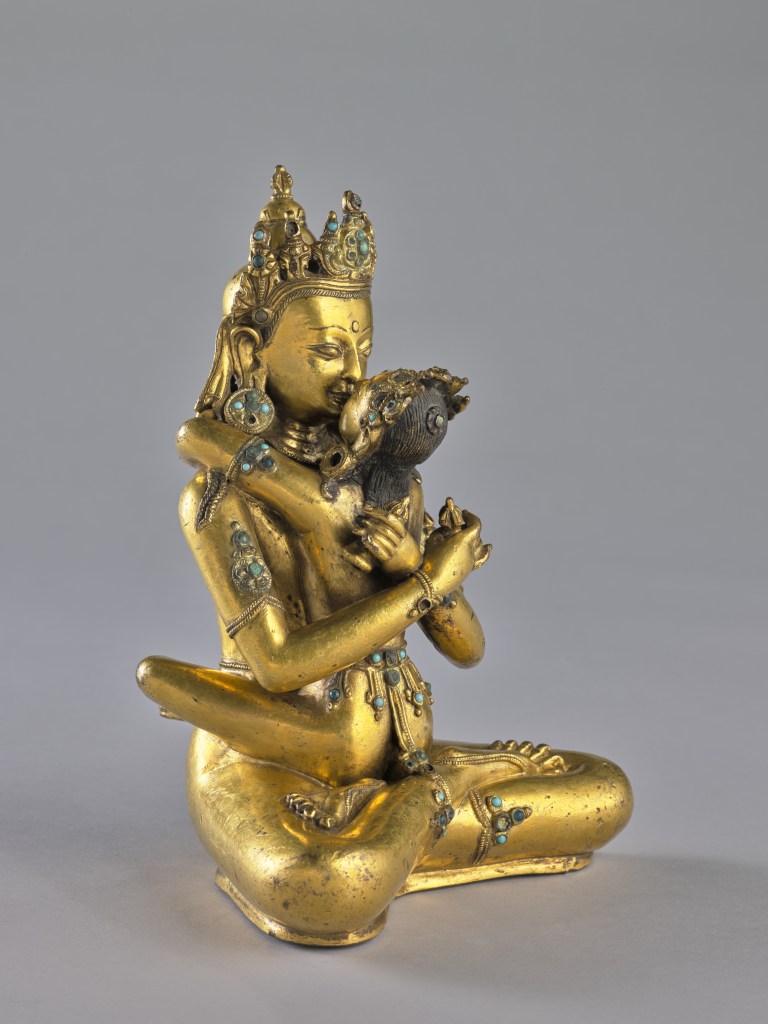
Artist unknown. Vajradhara and Prajnaparamita. c. 14th –15th century

